
James Dion, LCMHC
North Carolina · 5 yrs exp
Works with Stress, Anxiety / Family / Trauma and abuse +16
Works by Attachment-Based Therapy / Client-Centered Therapy
View ProfileA Licensed Clinical Mental Health Counselor (LCMHC) is a state-licensed mental health professional trained to assess and treat a range of emotional and behavioral concerns. Below you can browse verified LCMHC therapists who list ADHD among their focus areas and view profiles to help you choose a counselor.
North Carolina · 5 yrs exp
Works with Stress, Anxiety / Family / Trauma and abuse +16
Works by Attachment-Based Therapy / Client-Centered Therapy
View Profile
North Carolina · 6 yrs exp
Works with Stress, Anxiety / Relationship / Family +13
View Profile
North Carolina · 13 yrs exp
Works with Stress, Anxiety / Addictions / Intimacy-related issues +11
Works by Acceptance and Commitment Therapy (ACT) / Client-Centered Therapy
View Profile
North Carolina · 7 yrs exp
Works with Stress, Anxiety / Self esteem / Trauma and abuse +5
Works by Client-Centered Therapy / Cognitive Behavioral Therapy (CBT)
View Profile
Utah · 12 yrs exp
Works with Stress, Anxiety / Addictions / Relationship +15
Works by Attachment-Based Therapy / Client-Centered Therapy
View Profile
Vermont · 11 yrs exp
Works with Stress, Anxiety / Trauma and abuse / Self esteem +14
Works by Acceptance and Commitment Therapy (ACT) / Client-Centered Therapy
View Profile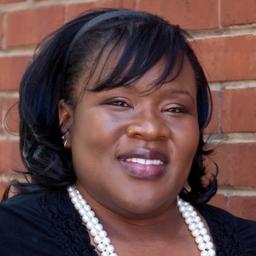
North Carolina · 11 yrs exp
Works with Stress, Anxiety / Addictions / Family +11
Works by Client-Centered Therapy / Cognitive Behavioral Therapy (CBT)
View Profile
Utah · 3 yrs exp
Works with Stress, Anxiety / Relationship / Self esteem +8
Works by Acceptance and Commitment Therapy (ACT) / Client-Centered Therapy
View Profile
Utah · 23 yrs exp
Works with Stress, Anxiety / Addictions / Family +13
Works by Client-Centered Therapy / Cognitive Behavioral Therapy (CBT)
View Profile
North Carolina · 5 yrs exp
Works with Stress, Anxiety / Trauma and abuse / Grief +7
Works by Client-Centered Therapy / Cognitive Behavioral Therapy (CBT)
View Profile
North Carolina · 23 yrs exp
Works with Stress, Anxiety / Addictions / Trauma and abuse +15
Works by Acceptance and Commitment Therapy (ACT) / Attachment-Based Therapy
View Profile
Utah · 10 yrs exp
Works with Stress, Anxiety / Addictions / Relationship +13
Works by Attachment-Based Therapy / Client-Centered Therapy
View Profile
North Carolina · 23 yrs exp
Works with Stress, Anxiety / Relationship / Trauma and abuse +13
Works by Acceptance and Commitment Therapy (ACT) / Client-Centered Therapy
View Profile
Vermont · 7 yrs exp
Works with LGBT / Trauma and abuse / Self esteem +1
View Profile
North Carolina · 28 yrs exp
Works with Stress, Anxiety / Addictions / LGBT +13
Works by Client-Centered Therapy / Mindfulness Therapy
View Profile
North Carolina · 19 yrs exp
Works with Stress, Anxiety / Depression / Relationship +10
Works by Client-Centered Therapy / Emotionally-Focused Therapy (EFT)
View Profile
North Carolina · 15 yrs exp
Works with Stress, Anxiety / Relationship / Anger +13
Works by Acceptance and Commitment Therapy (ACT) / Attachment-Based Therapy
View Profile
North Carolina · 18 yrs exp
Works with Stress, Anxiety / Addictions / Family +11
Works by Client-Centered Therapy / Cognitive Behavioral Therapy (CBT)
View Profile
North Carolina · 14 yrs exp
Works with Stress, Anxiety / Relationship / Family +13
Works by Cognitive Behavioral Therapy (CBT)
View Profile
North Carolina · 11 yrs exp
Works with Stress, Anxiety / Relationship / Trauma and abuse +16
Works by Acceptance and Commitment Therapy (ACT) / Client-Centered Therapy
View Profile
North Carolina · 20 yrs exp
Works with Stress, Anxiety / Parenting / Self esteem +16
Works by Acceptance and Commitment Therapy (ACT) / Client-Centered Therapy
View Profile
North Carolina · 17 yrs exp
Works with Stress, Anxiety / Family / Parenting +8
Works by Acceptance and Commitment Therapy (ACT) / Client-Centered Therapy
View Profile
Utah · 7 yrs exp
Works with Stress, Anxiety / Relationship / Trauma and abuse +13
Works by Client-Centered Therapy / Cognitive Behavioral Therapy (CBT)
View Profile
Texas · 20 yrs exp
Works with Stress, Anxiety / LGBT / Relationship +17
Works by Acceptance and Commitment Therapy (ACT) / Cognitive Behavioral Therapy (CBT)
View Profile
South Carolina · 21 yrs exp
Works with Relationship / Grief / Parenting +15
Works by Client-Centered Therapy / Cognitive Behavioral Therapy (CBT)
View Profile
Florida · 21 yrs exp
Works with Stress, Anxiety / Depression / Coping with life changes +13
Works by Client-Centered Therapy / Cognitive Behavioral Therapy (CBT)
View Profile
North Carolina · 14 yrs exp
Works with Stress, Anxiety / Grief / Anger +10
Works by Client-Centered Therapy / Motivational Interviewing
View Profile
Utah · 6 yrs exp
Works with Stress, Anxiety / Trauma and abuse / Self esteem +9
Works by Client-Centered Therapy / Dialectical Behavior Therapy (DBT)
View Profile
Florida · 24 yrs exp
Works with Stress, Anxiety / Grief / Depression +14
Works by Client-Centered Therapy / Cognitive Behavioral Therapy (CBT)
View Profile
Florida · 27 yrs exp
Works with Stress, Anxiety / Parenting / Self esteem +12
Works by Acceptance and Commitment Therapy (ACT) / Client-Centered Therapy
View Profile
North Carolina · 10 yrs exp
Works with Stress, Anxiety / LGBT / Relationship +14
Works by Existential Therapy / Mindfulness Therapy
View Profile
North Carolina · 17 yrs exp
Works with Stress, Anxiety / Addictions / Relationship +17
Works by Client-Centered Therapy / Cognitive Behavioral Therapy (CBT)
View Profile
Kansas · 9 yrs exp
Works with Stress, Anxiety / Relationship / Anger +12
View Profile
North Carolina · 21 yrs exp
Works with Stress, Anxiety / Family / Parenting +15
Works by Client-Centered Therapy / Cognitive Behavioral Therapy (CBT)
View Profile
Maine · 24 yrs exp · 2 languages
Works with Stress, Anxiety / Relationship / Trauma and abuse +17
Works by Attachment-Based Therapy / Client-Centered Therapy
View Profile
North Carolina · 14 yrs exp
Works with Stress, Anxiety / Anger / Self esteem +6
View Profile
North Carolina · 6 yrs exp
Works with Stress, Anxiety / Family / Anger +14
View Profile
Georgia · 10 yrs exp
Works with Stress, Anxiety / Relationship / Grief +11
Works by Acceptance and Commitment Therapy (ACT) / Client-Centered Therapy
View Profile
Florida · 10 yrs exp
Works with Stress, Anxiety / Trauma and abuse / Grief +9
Works by Cognitive Behavioral Therapy (CBT) / Dialectical Behavior Therapy (DBT)
View Profile
North Carolina · 31 yrs exp
Works with Stress, Anxiety / Relationship / Trauma and abuse +13
Works by Client-Centered Therapy / Cognitive Behavioral Therapy (CBT)
View Profile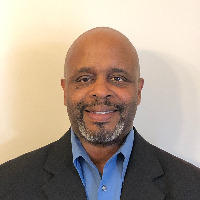
North Carolina · 11 yrs exp
Works with Stress, Anxiety / Parenting / Anger +10
Works by Client-Centered Therapy / Cognitive Behavioral Therapy (CBT)
View Profile
North Carolina · 12 yrs exp
Works with Stress, Anxiety / Trauma and abuse / Parenting +12
Works by Attachment-Based Therapy / Client-Centered Therapy
View Profile
North Carolina · 17 yrs exp
Works with Stress, Anxiety / Relationship / Grief +14
Works by Client-Centered Therapy / Cognitive Behavioral Therapy (CBT)
View Profile
Florida · 12 yrs exp
Works with Trauma and abuse / Grief / Eating +17
Works by Acceptance and Commitment Therapy (ACT) / Attachment-Based Therapy
View Profile
North Carolina · 18 yrs exp
Works with Stress, Anxiety / Addictions / Self esteem +13
Works by Client-Centered Therapy / Cognitive Behavioral Therapy (CBT)
View Profile
Vermont · 21 yrs exp
Works with Stress, Anxiety / Trauma and abuse / Grief +13
Works by Acceptance and Commitment Therapy (ACT) / Client-Centered Therapy
View Profile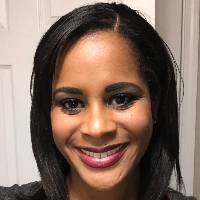
South Carolina · 5 yrs exp
Works with Stress, Anxiety / Relationship / Family +11
Works by Client-Centered Therapy / Cognitive Behavioral Therapy (CBT)
View Profile
North Carolina · 20 yrs exp
Works with Stress, Anxiety / Family / Trauma and abuse +15
Works by Cognitive Behavioral Therapy (CBT) / Motivational Interviewing
View ProfileWhen you see LCMHC after a clinician's name, it indicates that the person has met a series of state requirements to practice clinical counseling independently. That path typically includes a graduate degree in counseling or a closely related field, a set number of supervised clinical hours completed post-degree, and successful completion of the licensing exams required by the state. Many states also require jurisprudence tests or additional paperwork that confirms understanding of state rules and ethics, and ongoing continuing education is commonly part of maintaining the credential.
For you, an LCMHC signals formal preparation in clinical assessment, psychotherapy, and case management for a range of mental health and behavioral concerns. Counselors with this credential are trained to evaluate symptoms, develop treatment plans, and provide psychotherapy across the lifespan. The exact coursework and clinical experiences vary by program and by state, but the shared expectation is that LCMHC clinicians have both academic training and supervised experience working with individuals, couples, or groups.
LCMHC clinicians are typically authorized to diagnose and treat mental health conditions, provide individual and group therapy, and collaborate with other professionals involved in your care. Their training focuses on counseling theory and practice, psychotherapeutic interventions, and clinical assessment. You should expect an LCMHC to be able to develop a treatment plan, monitor progress, and adapt interventions as needs change.
License titles and scopes differ by state, and you may encounter other common credentials such as licensed clinical social workers, licensed professional counselors, or psychologists. Compared with a psychologist who holds a doctoral degree, an LCMHC usually has a master’s degree and a counseling-centered training model rather than a doctoral emphasis on research and psychological testing. Compared with social work licensure, LCMHC training is often more concentrated on counseling theories and techniques, while social work curricula may include broader systems-level training. These distinctions affect the kinds of services each professional emphasizes. When you are choosing a clinician, look at the combination of degree, supervised experience, and the issues they list in their clinical focus to see which background aligns with your needs.
LCMHC clinicians work across many areas of mental health. If you are seeking care related to attention-deficit concerns, mood differences, anxiety, stress, relationship challenges, life transitions, or grief, you will likely find LCMHC counselors who list these among their focus areas. Some counselors emphasize work with teens or adults, others with couples or families, and many blend populations as part of their practice. In addition to population focus, counselors often describe the issues they work with such as executive functioning, emotional regulation, workplace or academic stress, parenting challenges, or co-occurring mood and attention concerns.
Therapists may also list therapeutic approaches they use. Because listing an approach is not the same as licensure or certification in it, you will sometimes see language such as therapists who list cognitive behavioral therapy among their approaches, or clinicians who list mindfulness-based strategies or EMDR among their approaches. That phrasing helps you understand the kinds of methods they prefer to use in sessions. If a particular approach is important to you, look for counselors who explicitly describe that approach on their profile and how they apply it to ADHD-related challenges.
To verify credentialing, start with your state licensing board for counselors or mental health professionals. Most state boards maintain an online license lookup where you can confirm a clinician’s active status, license number, issuance and expiration dates, and whether disciplinary actions are recorded. The licensing board entry is the authoritative source for whether a credential is current and in good standing. If a clinician lists continuing education, graduate school, or supervised hours on their profile, the board record will focus on the license status rather than every item in a resume, so use both profile details and the board lookup together.
When you review a profile, look for the state of licensure, the license number, and the jurisdiction listed. If you have questions about a license that are not resolved on the board website, you can contact the board directly by phone or email. You may also review the counselor’s educational background to confirm a master’s or doctoral degree in counseling or a related field and note the nature of any listed supervised clinical experience. Remember that continuing education keeps many counselors current in evolving practices, but listing an approach does not confirm specific formal certification in that approach.
Choosing an LCMHC can offer practical advantages if you want a professional focused on counseling and psychotherapy with formal state licensure. LCMHC counselors generally bring training in assessment, individualized treatment planning, and a range of psychotherapeutic approaches. If your concerns center on managing attention differences, improving day-to-day functioning, or addressing emotional responses that affect relationships and work, an LCMHC’s counseling-focused background may be a good match. You can also look at language abilities, population focus, and experience with ADHD-related challenges listed on profiles to narrow your search.
Begin by clarifying what you want help with - whether you are seeking strategies to support executive function, management of anxiety alongside attention differences, family or relationship guidance, or assistance navigating work or school demands. Use those priorities to filter profiles for counselors who list matching focus areas or describe experience with similar concerns. Read clinician biographies to get a sense of their approach and the populations they work with, and note whether they mention collaboration with prescribers or other professionals if medication management or multi-disciplinary care matters to you. Consider language, cultural background, and any stated population focus such as working with adolescents, adults, or neurodivergent clients when these factors are important to your care.
When you find profiles that seem like a fit, pay attention to how the clinician communicates about their work. Clear descriptions of goals, session structure, and the kinds of homework or skill-building they emphasize can give you a sense of the working style you would experience. You might also consider practical matters such as insurance participation or payment options listed on profiles. Finally, trust your sense of fit: therapy is a collaborative relationship, and feeling heard and understood by your counselor is a key part of making progress.